


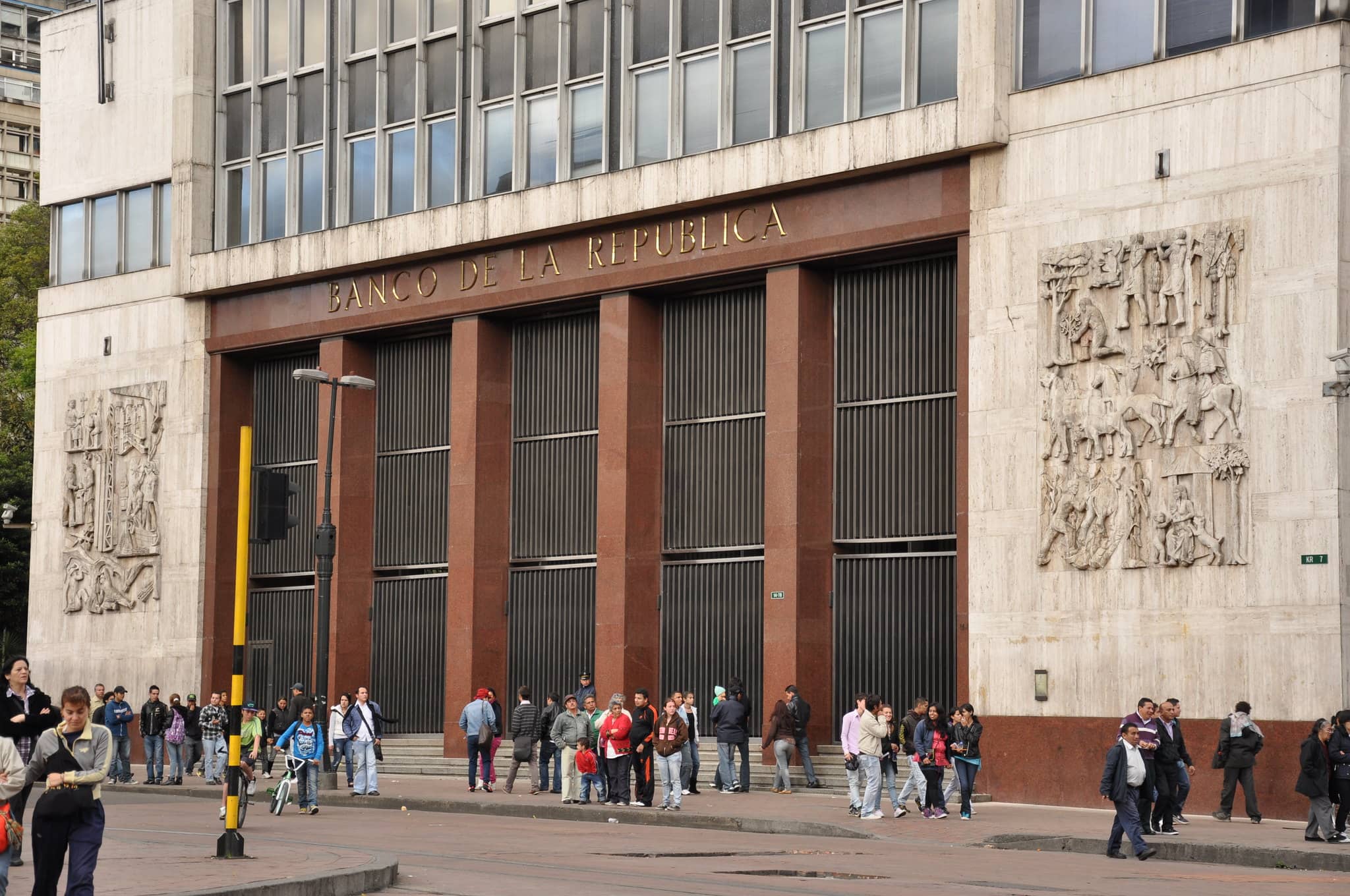
In a bid to stabilize public finances before the Petro administration concludes its term next August, Colombia is preparing to execute a series of aggressive debt management operations in 2026. The strategy, outlined by Ministry of Finance officials, seeks to alleviate fiscal pressure through a combination of international bond issuances, direct placements, and budget austerity.
Javier Cuellar, the director of Public Credit, told Reuters that the government intends to carry out “many” operations in both local and international markets. Following a year in which the country saved over 21 trillion pesos (US$5.5 billion) in debt service payments through swaps and buy-backs, the Ministry projects that savings for 2026 will also be a “big number.”
As part of this financing evolution, Colombia is looking beyond its traditional funding sources. Cuellar indicated that the government is exploring new international horizons, specifically Asian markets, to diversify its currency portfolio.
Colombia’s new debt management strategy involves the placement of local bonds with international investors
Domestically, the Ministry is considering a shift in how it handles TES bonds, the country’s second-largest source of financing after tax revenue. The new strategy involves direct placements of these local bonds with international investors, such as hedge funds. This approach is designed to reduce the volume of securities sold at auction and lessen reliance on state entities.
“There was a divestment in Colombia, and what I want is to revive investor appetite,” Cuellar said from his office in downtown Bogota.
Specifics of the 2026 plan include issuing approximately US$4.6 billion in global bonds. These funds are earmarked to pay off a Total Return Swap operation, a one-year loan in Swiss francs worth around US$9.3 billion, secured earlier this year. Cuellar emphasized that this issuance would not constitute net new debt and that requests for fresh dollar-denominated financing would be “very low.”
Colombia’s 2025 fiscal deficit is projected to close at 6.2% of its GDP
The aggressive debt management comes as the government tightens its fiscal belt. The Ministry of Finance announced that the fiscal deficit for 2025 is projected to close at 6.2% of gross domestic product (GDP), a significant improvement from the earlier forecast of 7.1%. This reduction is attributed to the appreciation of the Colombian peso and the active debt management strategy that lowered interest expenses by 1.3 percentage points of GDP compared to 2024. For 2026, the government aims to push the deficit even lower.
“I would like to show a deficit below 6% of GDP for 2026 in the financial plan,” Cuellar stated. The updated targets are expected to be released between late December and early January.
Despite political friction, highlighted by Congress’s recent rejection of a 16.3 trillion peso (US$4.2 billion) tax reform bill, macroeconomic indicators suggest resilience. The economy grew by 3.6% in the third quarter of 2025, the highest rate since 2015, excluding the post-pandemic rebound. Simultaneously, unemployment stands at 8.2%, one of the lowest levels on record, while net debt is projected to settle at 57.3% of GDP, well below the 61.3% target.
