


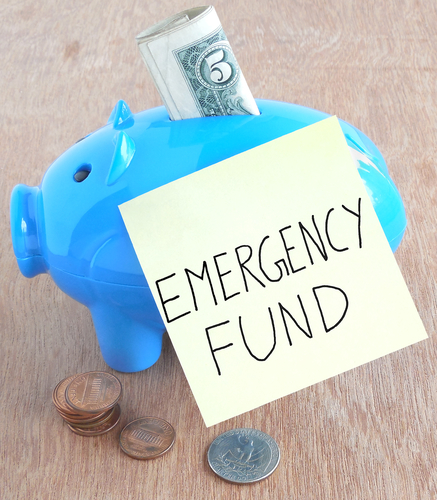
Building an emergency fund is one of the smartest ways to protect your financial stability. When the unexpected hits, like a surprise rent increase, a broken appliance, or a gap between paychecks, having money set aside can keep you from scrambling or relying on credit. Even a small cushion can make stressful moments feel more manageable.
If you’re not sure how much to save or how to get started, this guide breaks down the basics so you can begin building a safety net that fits your life.
Why an Emergency Fund Matters
An emergency fund is money set aside to cover unexpected expenses, like a medical bill, a home repair, or a sudden loss of income. It’s not meant for planned purchases but for situations that could cause financial strain if you had no savings.
Many Americans don’t have enough set aside for these moments. According to the Federal Reserve, about 37% of adults said they could not cover a $400 emergency expense with cash or savings. That’s why even a small emergency fund can help reduce stress and keep you from relying on high-interest credit when something unexpected happens.
How to Set an Emergency Fund Goal
You don’t need to save thousands of dollars right away. The goal is to start where you are and build over time. Here’s a simple way to begin:
- Look at your monthly essentials. Add up what you spend on housing, utilities, groceries, insurance, transportation, and debt payments. This number helps you understand how much you’d need to cover one month of living costs.
- Pick a starting goal. Saving one month of expenses is a good place to begin. Once you reach that, aim for two or three months.
- Make saving automatic. If possible, set up a direct deposit into a separate savings account. Automating your deposits helps you stay consistent.
- Track your progress. Use a free budgeting app, a spreadsheet, or a notebook to monitor your savings. Seeing your progress can help you stay motivated.
If money is tight, focus on small, regular deposits. Even saving $10 or $20 at a time can add up. The key is consistency, not perfection.
How Much Should Your Emergency Fund Be?
The right size for your emergency fund depends on your situation. Many people aim to save three to six months’ worth of essential living expenses. This amount can give you time to recover from a job loss, handle a major repair, or deal with medical costs without relying on credit.
If your income is steady and your household has multiple sources of income, three months of expenses may be enough. But if you’re self-employed, rely on a single paycheck, or have ongoing medical costs, you might want to aim for six months or more.
There’s no perfect number. What matters most is building a cushion that makes you feel secure. Even a small fund that’s enough to cover a few weeks of bills can make a big difference when something unexpected happens.
What Your Emergency Fund Should Cover
Your emergency fund should focus on essential expenses that keep your household running. These are the basics most people include:
- Housing: Rent or mortgage payments.
- Utilities: Water, gas, electricity, and trash service.
- Insurance: Health, home, and auto coverage.
- Transportation: Car payments, gas, or public transit costs.
- Debt payments: Minimum required payments on credit cards or loans.
- Food: Groceries and household essentials, not dining out.
If you’re not sure where to draw the line, think about which expenses you’d still need to pay if your income stopped for a few months. Optional or luxury items, such as streaming services, vacations, or takeout, don’t need to be part of your emergency fund plan.
How to Start Saving
If saving feels out of reach right now, start small. Even small, regular contributions can help you build momentum. Try one or more of these ideas to make saving easier:
- Cut small costs first: Review your monthly bills and subscriptions. Cancel or pause any you don’t use often.
- Use cash-back or round-up tools: Some banks and apps let you round up purchases to the nearest dollar and automatically move the difference into savings.
- Add extra income when possible: If you pick up extra hours at work or sell unused items, set aside part of that money for your emergency fund.
- Keep it separate: Store your emergency savings in a dedicated account that’s easy to access in a true emergency but separate from your daily spending.
The most effective habit is consistency. Set an amount you can manage—even $10 or $20 per paycheck—and stick with it. Over time, these small steps can grow into a meaningful safety net.
Final Takeaway
An emergency fund gives you peace of mind when life doesn’t go as planned. The exact amount you need depends on your income, expenses, and comfort level, but the best time to start is now.
You don’t have to reach your goal overnight. Focus on steady progress, celebrate small milestones, and remember that any amount saved is better than none.
The content provided is intended for informational purposes only. Estimates or statements contained within may be based on prior results or from third parties. The views expressed in these materials are those of the author and may not reflect the view of National Debt Relief. We make no guarantees that the information contained on this site will be accurate or applicable and results may vary depending on individual situations. Contact a financial and/or tax professional regarding your specific financial and tax situation. Please visit our terms of service for full terms governing the use this site.
